
The Enduring Trailblazer: Your Comprehensive Guide to Buying a Subaru Outback
For decades, the Subaru Outback has carved a unique niche in the automotive landscape, evolving from a rugged trim package to a bona fide crossover icon. As an industry expert with ten years immersed in the world of vehicles, I’ve witnessed firsthand the Outback’s remarkable journey, its consistent appeal, and the nuances that make buying one a strategic decision. This guide delves deep into what makes the Subaru Outback a compelling choice, examining its cost, reliability, and the specific model years that represent the pinnacle of value and performance, all updated for the latest market trends in 2025.
The story of the Subaru Outback begins not with a standalone model, but as an innovative package on the midsize Legacy sedan in 1995. Subaru, a pioneer in all-wheel-drive (AWD) technology with offerings dating back two decades prior, recognized an opportunity to leverage its expertise during a period of sales flux in the late 1980s and early 1990s. The Outback emerged as a direct response, transforming the Legacy wagon into something more adventurous. Initially, it was a more visually rugged Legacy with AWD, but within a year, it gained crucial ground clearance and suspension enhancements, setting the stage for its future. This coincided perfectly with the burgeoning American fascination with SUVs. While fundamentally a wagon, the Outback shed the traditional family hauler image, embracing an adventurous, go-anywhere ethos that resonated deeply with consumers.
The immediate popularity of the Outback led to the introduction of the smaller Outback Sport, based on the Impreza compact. For a period, a sedan variant, the Legacy SUS (Sport Utility Sedan), also bore the Outback badge. Such was the Outback’s success and the distinct advantage of AWD that by 1999, Subaru made it standard across its entire lineup, leaning heavily on the Outback’s strong identity.
Over the years, the Outback has progressively distanced itself from its Legacy roots. What started as a more capable wagon has evolved into a vehicle that closely resembles a modern crossover. By the late 2010s, the very design of the Legacy sedan was influenced by the space and off-road capabilities demanded by the hyper-popular Outback. As Subaru’s flagship, the Outback has consistently been a showcase for the automaker’s technological advancements. The sophisticated EyeSight driver-assist system debuted on the Outback in 2008, significantly ahead of many competitors. Its renowned AWD system has seen continuous refinement. In 2021, Subaru further solidified its off-road credentials with the introduction of the even more rugged Outback Wilderness edition, a trim that subsequently expanded to other Subaru models like the Forester and Crosstrek. These vehicles offer practical, spacious, and highly capable platforms for light off-roading, boasting generous ground clearance and advanced terrain management systems.
However, no vehicle is without its idiosyncrasies. The Continuously Variable Transmissions (CVTs) employed by Subaru for the past decade, while generally smooth, can present complex repair challenges for some owners. Subaru’s signature horizontally-opposed “Boxer” engines, both flat-four and flat-six, often require more diligent maintenance than conventional powertrains, with a known propensity for head gasket issues over time. They can also be less fuel-efficient than some inline-four or V6 alternatives, and notably, Subaru has yet to offer a hybrid Outback variant. Furthermore, an AWD vehicle frequently utilized for off-road excursions inherently possesses more components susceptible to wear and tear compared to a standard sedan or wagon.
Despite these considerations, the Subaru Outback remains a highly safe and capable vehicle that cultivates exceptional loyalty among its owners, who often regard it as a truly great car. This comprehensive guide aims to demystify the Outback ownership experience, breaking down each generation with specific advice for potential buyers looking for a used Subaru Outback for sale, or considering a new Subaru Outback purchase in 2025.
Frequently Asked Questions: Navigating Your Outback Decision
Which Subaru Outback Years Are the Best Buys?
Generally, most Subaru Outback models achieve “average” reliability ratings from automotive data aggregators. This is often attributed to their need for slightly more involved maintenance compared to mainstream sedans and compact SUVs, and the eventual possibility of costly head gasket or timing belt replacements. However, the Outback is fundamentally a robust and durable vehicle. Based on analyses from reputable sources like Consumer Reports, the Subaru Outback model years with the fewest reported issues and strongest reliability records tend to be 2014, 2016, 2017, and the 2021 model year onward. These years often represent refinements and improvements that address common concerns.
What are the Worst Subaru Outback Years to Consider?
Reliability perceptions can vary slightly between different tracking organizations. Crowdsourced platforms like CarComplaints.com have identified 2013, 2015, and 2018 models as having a higher incidence of reported issues, primarily concerning electrical systems and engine performance. It’s important to note that these years span generational shifts. Conversely, J.D. Power and Consumer Reports often rate these same years more favorably. Consumer Reports has expressed more concern regarding the 2005-2007 models and, more recently, the 2019 and 2020 Outbacks, citing specific recurring problems. J.D. Power generally assigns “average” or slightly above-average reliability to nearly all Outback models. For those considering older vehicles, pre-2002 models with their 2.5-liter powertrains are known for a higher likelihood of head gasket failures and coolant leaks.
Is a Used Subaru Outback a Good Investment?
Absolutely. A used Subaru Outback can be an excellent value proposition, particularly if your priorities include ample interior space, desirable features, and unwavering all-weather capability. While its long-term maintenance costs might exceed those of some competitors in the midsize family segment, the Outback has consistently offered advanced safety equipment and engaging driving dynamics for many years. In an automotive market where traditional wagons have become increasingly niche and expensive, the Subaru Outback remains one of the few affordable vehicles that still embraces this versatile body style, even as it has evolved into a more crossover-like machine. Its inherent practicality translates into significant long-term value.
Subaru Outback: Strengths and Weaknesses in Brief
Pros:
Exceptional All-Wheel Drive System: Standard on all models, providing confidence in all conditions.
Comfortable and Roomy Interior: Offers generous passenger and cargo space, ideal for families and adventurers.
Abundant Safety Features: Subaru’s commitment to safety is evident, with advanced driver-assist technologies often standard or readily available.
Cons:
Potentially Higher Long-Term Maintenance Costs: Compared to some direct rivals, certain repairs can be more expensive.
Average Fuel Economy: Less efficient than some competitors, especially with AWD and Boxer engines.
On-Road Dynamics in Later Years: While capable, some enthusiasts note a slight compromise in sporty on-road performance in certain recent generations.
Exploring the Subaru Outback Generations: A Deep Dive
Seventh Generation (2026-Present): The Future of Capability
The latest iteration of the Subaru Outback, debuting for the 2026 model year, presents a notably more squared-off silhouette while retaining its characteristic proportions. Subaru has embraced a more rugged aesthetic, featuring updated light signatures and robust textured cladding on the lower body panels. The roof rack system now boasts a lateral load capacity of 220 pounds, perfect for accommodating accessories like hammocks or drying clothes on extended trips.
Inside, the cabin receives a significant upgrade in practicality and comfort. Door bottle holders now accommodate larger 32-ounce water bottles, and a 2-inch increase in roofline height translates to superior headroom. Cargo volume expands by 2 cubic feet, with an additional 2 inches of height. The technological leap is substantial, highlighted by an entirely new 12.1-inch infotainment display and a 12.3-inch digital instrument cluster running revamped software.
Safety technology reaches new heights with the introduction of Emergency Stop Assist, featuring Safe Lane Selection. This system can take control if a driver becomes incapacitated while using adaptive cruise control, guiding the vehicle to the shoulder and alerting emergency services. On compatible highways, hands-free driving with driver supervision is now possible at speeds up to 85 mph. The EyeSight camera system has been widened for enhanced detection of pedestrians and cyclists, and now incorporates haptic feedback alerts for an more intuitive user experience.
The standard 2.5-liter Boxer engine has been re-engineered to produce 180 horsepower and 178 pound-feet of torque. XT models continue to feature the potent turbocharged 2.4-liter engine, delivering 260 horsepower and 277 pound-feet of torque. The starting MSRP for the 2026 Subaru Outback is $34,995 (excluding destination charges), a noticeable increase from the previous generation. However, Subaru has streamlined the lineup by discontinuing the base trim, meaning the Premium trim now serves as the entry point, boasting more standard equipment than ever before.
Sixth Generation (2020-2025): Refined Power and Technology
The sixth-generation Subaru Outback arrived for the 2020 model year, presenting a visually subtle evolution from its predecessor but packing significant technical advancements. A key change was the discontinuation of the optional six-cylinder engine in favor of a new 2.4-liter turbocharged four-cylinder. This “XT” engine, reviving a designation from the third generation, offers a compelling blend of power (260 horsepower and 277 pound-feet of torque) and improved fuel efficiency (up to 26 mpg combined) compared to the outgoing six-cylinder. Standard models utilize a revised 2.5-liter four-cylinder engine producing 182 horsepower and 176 pound-feet of torque. Both powertrains are paired with a new Continuously Variable Transmission (CVT) featuring an eight-speed manual mode, with AWD remaining standard.
This generation was initially offered in seven trim levels: 2.5i, Premium, Limited, Touring, Onyx Edition XT, Limited XT, and Touring XT, with the XT variants featuring the turbocharged engine and enhanced amenities. The Outback’s in-car technology saw a substantial overhaul, introducing an optional 11.6-inch portrait-style touchscreen with Apple CarPlay and Android Auto integration. Subaru’s EyeSight suite of safety features, driver distraction warning, high-beam assist, and a front-view camera became available. Base models featured a dual eight-inch screen setup with a more fundamental interface. A Wi-Fi hotspot was also a new addition for this generation.
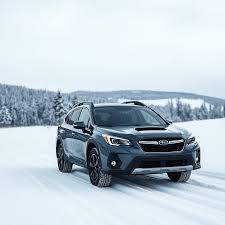
The 2022 model year heralded the arrival of the highly anticipated Subaru Outback Wilderness. This trim stands as the most factory-built off-road-capable Outback, boasting 9.5 inches of ground clearance, Yokohama Geolander all-terrain tires, and specially tuned suspension and terrain management systems. Its rugged styling, complete with bold plastic cladding and gold accents, along with revised bumpers for improved approach and departure angles, and a roof rail system capable of supporting 700 pounds, clearly signaled its adventurous intent. While it foregoes some of the luxury features found on higher trims, it includes the turbocharged engine as standard.
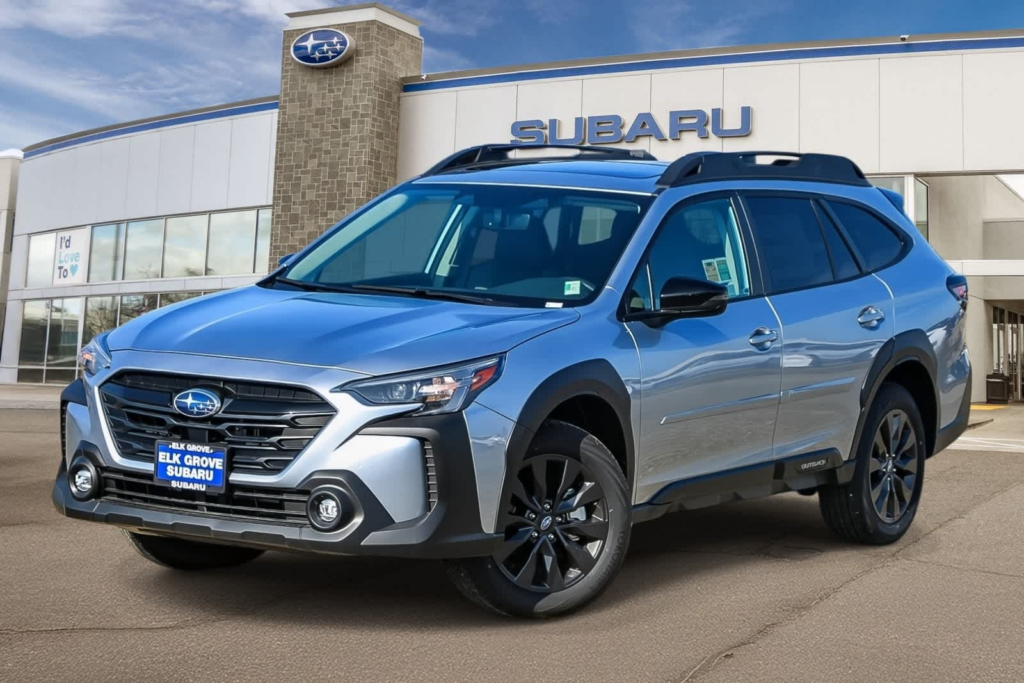
In 2023, the Outback received a significant aesthetic refresh, incorporating black cladding and a revised front fascia inspired by the popular Wilderness model. The EyeSight system’s in-car cameras were upgraded, and the availability of the turbocharged engine expanded. Notably, the Outback became the first Subaru to integrate what3words, a revolutionary mapping technology that uses three-word combinations for location referencing.
For 2024, the Outback Wilderness received front fascia updates, and a heated steering wheel became available on the Onyx Edition, Onyx Edition XT, and Wilderness trims. The Onyx Edition also gained a moonroof and reverse automatic emergency braking as standard. The 2025 model year sees the Limited trim receive a moonroof and heated steering wheel, along with driver-attention monitoring and built-in navigation.
The initial price for the 2020 Outback was $26,645 (excluding destination). Impressively, Subaru has maintained a starting MSRP of just $29,995 for 2025, making the Outback one of the most accessible vehicles in its size and capability class. The inclusion of many active safety systems, often optional on much pricier vehicles, further solidifies its value proposition, even in the base configuration.
Given their relatively recent release, these sixth-generation Outbacks hold their value well, but they still represent a decent purchase on the used market. The average entry price for a 2020 model hovers around $21,086, escalating to approximately $33,810 for a 2025 model. Reviews from sources like CarGurus have consistently praised this generation, with ratings like 7.7 out of 10 in 2020, 7.8 in 2021, and 7.5 for the Wilderness version in 2022.
Fifth Generation (2015-2019): A More Refined Crossover
The fifth-generation Subaru Outback, launched for the 2015 model year, was officially designated as a crossover, moving further from its wagon origins. Styling evolved with a sportier, more aerodynamic profile. The manual transmission, once a staple but rarely specified by buyers, was completely removed from the lineup. More importantly, previously optional safety systems like automatic emergency braking and blind-spot assist became standard on an increasing number of trims.
The standard engine was a 2.5-liter four-cylinder producing 175 horsepower and 174 pound-feet of torque, which you’ll find in the vast majority of used examples. For those seeking more power, the 3.6R Limited trim offered a 3.6-liter six-cylinder engine delivering 256 horsepower and 247 pound-feet of torque. While quicker, its 22 mpg combined fuel economy and higher price tag made it a less popular choice.
All-wheel drive remained standard, as did the continuously variable transmission with a simulated six-speed manual mode, echoing its predecessor. Subaru’s X-Mode terrain management system, designed to enhance traction on slippery surfaces, became standard, alongside hill-descent control and hill-start assist. Limited trims received exclusive Stablex suspension dampers for a firmer, more controlled ride. A significant improvement for this generation was the adoption of a double-wishbone rear suspension and a front suspension cradle, contributing to a noticeably smoother and quieter ride.
The interior received a styling update, though infotainment system changes were more modest. Base models featured a 6.2-inch touchscreen, while higher trims had a 7-inch display with a user-friendly, albeit basic, interface. In 2016, Subaru integrated Starlink connected services into upper trims and added lane-keep assist to the EyeSight system. By 2017, interior refinements continued, with new standard 6.5-inch and optional 8-inch infotainment screens featuring improved software and graphics, with the latter finally offering Apple CarPlay and Android Auto.
The EyeSight suite of driver-assist technologies, initially limited to upper trims, included adaptive cruise control, automatic emergency braking, and lane-departure warning. Blind-spot monitoring, lane-change assist, and rear cross-traffic alert were also exclusive to higher trims until 2019, when the entire suite became standard across the Outback lineup.
Common criticisms of this generation often center on the “droney” nature of the CVT, which can feel sluggish on the highway – a test drive is highly recommended. Fuel economy, while improved in some areas, still lagged behind some competitors. However, this Outback is generally quieter and more refined than earlier versions. It’s comfortable and spacious, offering improved rear-seat room.
When seeking a used Subaru Outback for sale from this generation, higher trims are generally better buys due to the inclusion of the optional EyeSight gear. The 2019 model year is particularly appealing as the full suite of safety features became standard. Most fifth-generation Outbacks, excluding the very lowest mileage and pristine examples, can be found for under $25,000, though they retain their value well. Expect to pay between $16,000 and $24,000 for the majority of models, including the more potent 3.6R variants. Finding a well-maintained example with under 80,000 miles for under $20,000 should be achievable.
Fourth Generation (2010-2014): A Crossover’s Genesis
The fourth-generation Subaru Outback marked a significant departure from its predecessors. The sedan body style was eliminated, and conventional automatic transmissions were replaced by Continuously Variable Automatic Transmissions (CVTs) in four-cylinder models.
Styling shifted dramatically towards a more crossover-like appearance, establishing a design template that the subsequent fifth and sixth generations would largely follow. Consequently, these decade-old models still appear remarkably contemporary alongside newer Outbacks. This generation was taller and slightly heavier than its predecessor, which subtly impacted handling. It featured a longer wheelbase and wider stance, enhancing interior space, yet was paradoxically shorter overall than the 2009 model.
The core mechanical recipe remained largely consistent: standard AWD with advanced traction control, and both four- and six-cylinder engines, updated versions of Subaru’s signature horizontally-opposed engines. For 2010, the Outback was offered in six trim levels: 2.5i, 2.5i Premium, 2.5i Limited, 3.6R, 3.6R Premium, and 3.6R Limited.
The standard 2.5-liter naturally aspirated four-cylinder engine produced 170 horsepower and an equal amount of torque. The optional 3.6-liter flat-six delivered 256 horsepower and 247 pound-feet of torque. Both engines could be paired with a six-speed manual transmission, but the four-cylinder models (representing the bulk of sales) predominantly used the new Lineartronic CVT. Six-cylinder Outbacks retained a conventional five-speed automatic option.
In-car technology was still somewhat basic, but Subaru offered optional navigation and a backup camera, displayed on an 8-inch touchscreen – a considerable size for its era. Traction and stability control were also available, though not standard on all trims.
While 2011 and 2012 saw minimal changes, 2013 brought substantial updates. The front fascia received a restyle, and a new 2.5-liter four-cylinder engine increased output to 173 horsepower and 174 pound-feet of torque. Subaru also optimized its AWD system for each transmission: a continuous AWD system for manual gearboxes, an active torque split AWD for CVTs, and a variable torque distribution AWD for the five-speed automatic. All models featured 8.7 inches of ground clearance, ensuring trail capability.
Crucially, the 2013 model year introduced the Subaru EyeSight driver-assist system with adaptive cruise control, automatic braking, and lane-departure warning. In 2014, EyeSight became standard on Outback Premium models.
Some reliability trackers assign lower marks to this generation, particularly concerning electrical issues. However, they remain relatively affordable. Clean fourth-generation Outbacks with under 120,000 miles can be found for as little as $8,000. Searches reveal low-mileage Subaru Outback 3.6R models with desirable options for less than $17,000. The six-cylinder variant is rarer and less fuel-efficient but offers a more engaging driving experience on the highway. Higher trim 2013 and 2014 models offer more features without a significant price jump, making them worth seeking out. Manual transmission models, favored by some drivers, may command a modest price premium.
Third Generation (2005-2009): Style and Substance
The third-generation Outback, arriving for the 2005 model year, presented a more stylish and sculpted design compared to its predecessors. Subaru experimented with bolder aesthetics during this period, resulting in a look that clearly distinguished it from earlier and later versions. A sedan variant, featuring the lifted suspension, was also offered but was discontinued in 2007 due to slow sales, making them rare finds today.
Reviewers praised this generation for its refined ride quality and comprehensive standard features. However, the rear-seat legroom (33.9 inches) was the most cramped across all Outback generations.
For 2005, three engine options were available: a 2.5-liter four-cylinder (168 hp, 166 lb-ft), an optional 2.5-liter turbocharged four-cylinder “XT” (250 hp, 250 lb-ft), and a 3.0-liter six-cylinder (250 hp, 219 lb-ft). Both five-speed manual and automatic transmissions were offered.
In 2006, the naturally aspirated 2.5-liter engine saw a power increase to 175 horsepower, and a navigation system was added to the options list. The following year brought revised trim levels but no significant mechanical changes. For 2009, Subaru included stability control on all trims and replaced the long-running L.L. Bean edition with the Limited trims.
While equipment variations are less pronounced in these older models compared to the technological leaps in newer generations, the L.L. Bean and Limited trims typically offered more amenities, including wood-and-leather steering wheels, premium interiors, navigation, and even USB ports. These are desirable features to seek in a used Subaru Outback from this era.
Consumer Reports has expressed reservations about the reliability of the early years of this generation. However, the engines are generally more durable than those in the first two generations. Thorough inspection and maintenance records are crucial, especially regarding timing belt and head gasket condition. These Outbacks are less common due to their age and lower sales figures during the 2008 financial crisis. Prices typically range between $5,000 and $10,000, with even top examples rarely exceeding this. Manual transmission and rare sedan versions might command a slight premium.
Second Generation (2000-2004): Evolution and Refinement
Officially separated from the Legacy lineup, the second-generation Outback arrived for the 2000 model year as a completely redesigned vehicle, maintaining its predecessor’s popularity. The “Legacy SUS” sedan was rebranded as the Outback sedan, sharing its mechanical underpinnings. Styling became more contemporary, and Subaru introduced attractive two-tone paint schemes, but the fundamental formula remained largely intact.
The standard engine was a 2.5-liter version of Subaru’s reliable “EJ25” engine, producing 165 horsepower and 166 pound-feet of torque. In 2001, the L.L. Bean edition debuted, offering enhanced luxury features and, notably, a new 3.0-liter six-cylinder engine (212 hp, 210 lb-ft). This “EZ30” engine, a new flat-six design, formed the basis for Outback six-cylinder variants for the next 18 years.
All-wheel drive remained standard, and ground clearance increased to 7.3 inches. Four-cylinder models offered a choice between a four-speed automatic or a five-speed manual transmission, while six-cylinder models were automatic only. Subaru refreshed the styling for 2003, but the overall mechanical package saw few changes throughout its lifespan.
L.L. Bean models were particularly well-equipped, featuring dual-zone climate control, CD changers, leather seats, dual moonroofs, a 200-watt McIntosh stereo, and an optional Vehicle Dynamics Control (VDC) system. Other Outback trims, while comfortable, offered fewer modern amenities.
Given the age of these vehicles, detailed maintenance records are essential for a confident purchase. Consumer Reports rated the 2000 and 2001 models below average for reliability, but these are simpler vehicles than later Outbacks and generally robust. Rust (inspect carefully) and head gasket issues are common concerns. Finding examples can be challenging, but they are inexpensive. Most second-generation Outbacks, excluding the premium 3.0-liter models and sedans, can be found for $4,500 to $8,000.
First Generation (1995-1999): The Genesis of an Icon
The Subaru Outback began its journey as a distinct trim package on the 1995 Subaru Legacy. Its now-familiar formula solidified a year later. The Legacy, introduced in 1988 and in its second generation by 1995, had already cultivated a reputation for its rally-inspired performance and all-terrain capability. The Outback was conceived to imbue the model with an image as rugged as its underlying components.
Initially, this manifested as visually robust bumpers with integrated fog lights, distinctive wheels, and a standard two-tone paint scheme featuring dark gray on the lower half of the wagon. Underneath, it retained much of the standard Legacy’s architecture, including its somewhat underpowered 2.2-liter four-cylinder engine (135 hp, 140 lb-ft). A four-speed automatic or a five-speed manual transmitted power to all four wheels.
The marketing strategy proved effective, but Subaru soon responded to early criticisms regarding engine performance and ground clearance. By 1996, it gained a 2.5-liter engine (155 hp, 155 lb-ft), larger rally-style front lights, and a suspension lift that provided 7.8 inches of ground clearance – a significant figure for its time. At that point, it was a truly unique offering in the American market, with only AMC’s earlier Eagle four-wheel-drive vehicle bearing any resemblance.
The Outback resonated with the public, and with the marketing assistance of Australian actor Paul Hogan, it played a crucial role in revitalizing Subaru’s flagging U.S. sales. Subaru soon applied a similar formula to the smaller Impreza, creating the Outback Sport (the ancestor of the modern Crosstrek), with comparable success. In 1997, a Limited trim was introduced, adding nicer interior materials. The vehicle remained largely unchanged for the 1998 and 1999 model years.
In 1998, Subaru also introduced the “Legacy SUS” (Sport Utility Sedan), essentially adopting the Outback’s rugged formula for a Legacy sedan donor vehicle. This sedan variant would later be integrated into the standalone Outback lineup in the second generation.
These early Outbacks were competent vehicles for their time. However, they are known for engine issues, primarily weak head gaskets and aging timing belts, especially on the 2.5-liter versions. Many enthusiasts have undertaken engine swaps, often with later, more powerful Subaru engines. Meticulous inspection and well-documented maintenance history are paramount. The good news is that these first-generation models can be found for under $5,000, although collector interest is slowly growing.
Embarking on Your Subaru Outback Journey
The Subaru Outback has solidified its legacy as a vehicle that defies easy categorization, offering a unique blend of capability, comfort, and adventurous spirit. Whether you’re drawn to the modern advancements of the latest generations or the charming simplicity of earlier models, understanding these nuances is key to making an informed decision. The Subaru Outback price will naturally vary significantly based on year, mileage, condition, and trim level, but its enduring appeal and proven reliability in its better years make it a consistently strong contender in the used car market.
As you navigate your options, remember that thorough research, diligent inspections, and test drives are your most valuable tools. Consider your personal needs – do you prioritize cutting-edge technology and safety features, or are you seeking a more elemental and affordable entry into the Outback ownership experience?
Ready to experience the Subaru Outback for yourself? Explore local dealerships or reputable online platforms to find the perfect model that aligns with your adventure goals and budget. Your next great road trip is waiting.