Critical Toyota Tundra Recall: Understanding the Multimedia Display Defect and Your Safety
As a seasoned professional deeply immersed in the automotive sector for the past decade, I’ve witnessed firsthand the intricate dance between cutting-edge technology and essential vehicle functionality. Manufacturers constantly push the boundaries, integrating sophisticated systems to enhance the driving experience. However, even the most advanced technologies can present unforeseen challenges, necessitating rigorous safety protocols and proactive measures. A recent development concerning a substantial Toyota Tundra recall underscores this very reality, directly impacting a significant number of these formidable pickup trucks. This recall, centered on an issue with the vehicle’s multimedia display, is more than just a technical glitch; it’s a critical safety concern that warrants immediate attention from owners.
The core of this Toyota Tundra recall issue lies within the multimedia display unit, a central hub for numerous vehicle functions, including critical safety systems. Specifically, the problem manifests as the display becoming unresponsive, either freezing on a camera view or presenting a completely black screen. This malfunction poses a direct and alarming threat: the inability to see the rearview camera feed when the truck is shifted into reverse. In a vehicle as substantial as the Toyota Tundra, renowned for its towing and hauling capabilities, obstructed visibility during reversing maneuvers dramatically escalates the risk of a collision. This is not a minor inconvenience; it is a genuine safety hazard that demands a swift and effective resolution.
I’ve spent years analyzing vehicle safety reports and understanding the ripple effects of such technical failures. The implications of a malfunctioning rearview camera are profound. In today’s automotive landscape, where driver-assistance technologies are increasingly relied upon, a failure in such a fundamental safety system can have severe consequences. For Tundra owners, especially those who regularly utilize their trucks for work, recreation, or family transport, this recall notice is not to be taken lightly. The potential for striking an object, a pedestrian, or another vehicle due to an obscured view is a significant concern that underscores the urgency of this Toyota Tundra recall.
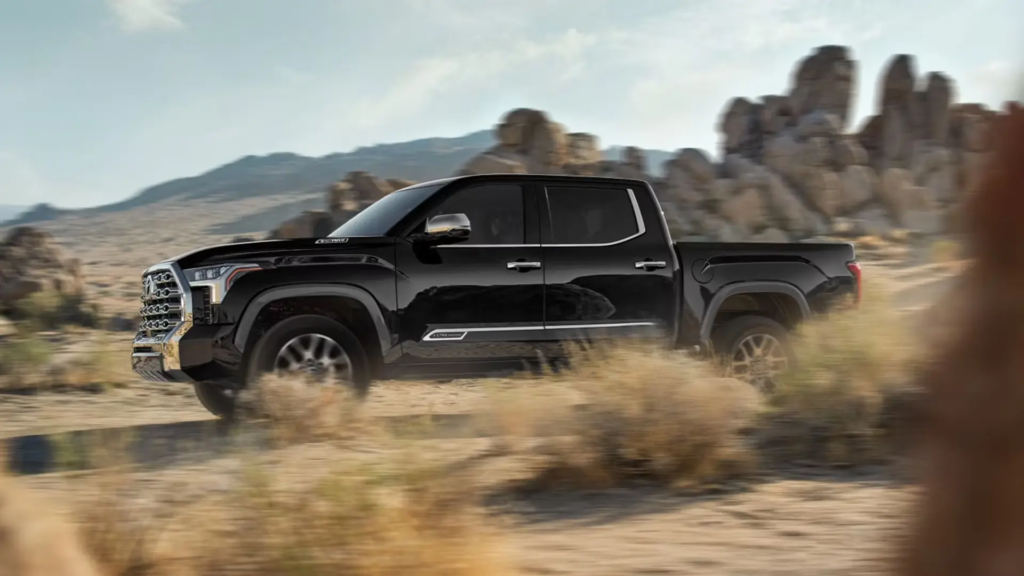
The vehicles implicated in this significant Toyota Tundra recall encompass a range of model years, specifically the 2024 and 2025 iterations of the Tundra. While the exact number of affected units is pegged at approximately 162,000, this figure highlights the widespread nature of the problem. It’s a testament to the complexity of modern vehicle electronics that a single component can lead to such a broad recall. My experience tells me that these types of software-related issues, while often fixable with updates, require meticulous testing and deployment to ensure they don’t introduce new problems.
For those navigating the landscape of Toyota Tundra recall information, understanding the proposed remedy is paramount. The fix, as outlined by Toyota, involves a software update to the Parking Assist Electronic Control Unit (ECU). This is a standard procedure for many modern recalls, as software glitches are often the root cause of complex electronic system failures. Dealers will be performing this update free of charge to affected owners. While this is a positive sign that a solution is readily available, the process of notification and scheduling can sometimes be a point of friction for consumers.
Owners who have received or are anticipating notification about this Toyota Tundra recall are encouraged to act promptly. Toyota has indicated that owner notifications will commence by late March. However, for those eager to get ahead or who have questions beyond the official communication, several avenues are available. The automaker provides a dedicated recall information portal at Toyota.com/recall, and a direct customer service line at 800-331-4331. Furthermore, the National Highway Traffic Safety Administration (NHTSA), the governing body for vehicle safety in the United States, offers resources for consumers. Their vehicle-safety hotline at 888-327-4236 and their website provide a platform to check your vehicle identification number (VIN) and confirm if your specific Tundra is part of this recall, along with other critical Toyota Tundra safety updates.
Beyond the immediate concern of this specific Toyota Tundra recall, it’s important to contextualize this event within the broader automotive industry. The integration of advanced multimedia systems, often featuring large touchscreens and connectivity features, has become a cornerstone of the modern driving experience. These systems control everything from navigation and entertainment to climate control and, critically, Tundra backup camera display functionality. While they offer unparalleled convenience and sophistication, they also introduce new vulnerabilities. The increasing reliance on software means that even minor programming errors can have significant repercussions on vehicle safety and performance. This extends beyond the Tundra, impacting a wide range of vehicles and driving up concerns about automotive software defects and the need for robust vehicle safety recalls.
From an industry perspective, this Toyota Tundra recall highlights the ongoing challenge of ensuring the reliability of complex electronic systems. The automotive supply chain is incredibly intricate, with numerous Tier 1 and Tier 2 suppliers contributing to the final product. Ensuring that every component, especially sensitive electronic modules like the Parking Assist ECU, functions flawlessly across millions of vehicles is a monumental task. Issues like this also drive demand for auto electronics repair services and sophisticated diagnostic tools. As a professional who has worked extensively with automotive diagnostic software, I can attest to the intricate nature of these systems and the challenges in troubleshooting them.
The high-CPC keywords in this domain, such as Toyota Tundra problems, Tundra multimedia issues, and Tundra camera malfunction, are indicators of consumer concern and potential areas of significant cost for manufacturers in terms of warranty claims and recall management. Understanding these underlying Tundra truck issues is crucial for both consumers and the industry. It’s not just about fixing a specific problem; it’s about continuous improvement in design, testing, and manufacturing processes to prevent future occurrences. The cost associated with a large-scale Toyota Tundra recall extends far beyond the financial outlay for repairs; it impacts brand reputation, consumer trust, and the long-term value of the affected vehicles. This is why proactive measures and transparent communication are so vital in managing such situations.
Moreover, the economic impact of a substantial Toyota Tundra recall cannot be understated. For dealerships, it means allocating significant technician time and resources to address the issue. For owners, it can mean lost productivity if they need to take their vehicle in for service, potentially impacting their ability to work or conduct their daily activities. The aftermarket industry also plays a role, with companies specializing in automotive electronics repair and providing solutions for drivers seeking alternatives to dealership services, though for a recall of this nature, the manufacturer’s authorized fix is typically the required and most reliable solution. The focus for owners in this instance, however, should remain on the official recall procedure to ensure their vehicle is properly serviced.
Looking ahead, trends in the automotive industry suggest that vehicle software updates will become increasingly common. Over-the-air (OTA) updates, similar to those on smartphones, are gradually being adopted by automakers. This technology has the potential to streamline the recall process significantly, allowing manufacturers to push fixes directly to vehicles without requiring a physical dealer visit. For issues like the one affecting the Tundra’s multimedia display, an OTA update could have resolved the problem rapidly and efficiently. While this technology is still evolving, its widespread adoption promises to revolutionize how vehicle maintenance and safety issues are addressed, offering a glimpse into a future with fewer disruptive automotive safety recalls.
However, the current situation with the Toyota Tundra recall highlights that even with technological advancements, traditional methods of repair are still essential. The fact that the fix involves a dealer visit for a software update underscores the need for accessible dealership networks and efficient service departments. For consumers in areas with limited dealership access, such as certain rural regions or specific Toyota Tundra service areas, this can present additional logistical challenges. This is where understanding your local dealership’s service capacity and communication protocols becomes important. For example, drivers in Dallas Toyota Tundra service areas or Los Angeles Tundra repair shops will have different experiences and options compared to those in more remote locations.
The Toyota Tundra backup camera issues reported in this recall are a stark reminder of the critical role technology plays in modern automotive safety. The integration of advanced driver-assistance systems (ADAS) relies heavily on the seamless operation of multiple sensors and display units. A failure in one component can cascade, impacting the effectiveness of other safety features. This reinforces the importance of maintaining vigilance and staying informed about Tundra truck recalls and any related Toyota Tundra TSBs (Technical Service Bulletins) that might be issued.
My decade of experience in this field has taught me that trust is built on transparency and decisive action. Toyota’s proactive approach in issuing this Toyota Tundra recall is commendable. It demonstrates a commitment to customer safety and a willingness to address potential problems head-on. However, the effectiveness of any recall lies in the execution of the remedy and the clear communication to the end-user. Owners are encouraged to visit their local Toyota dealership or consult the official Toyota website for the most up-to-date information regarding their specific vehicle and the recall process.

In conclusion, the current Toyota Tundra recall concerning the multimedia display is a critical issue that demands the attention of all affected owners. While the technological advancements in modern vehicles offer unprecedented benefits, they also introduce new complexities that require robust safety protocols. The fix is available, and acting promptly is the best course of action. This situation serves as a reminder to all vehicle owners to stay informed about potential safety concerns and to engage with the recall process diligently.
If you are an owner of a 2024 or 2025 Toyota Tundra, we strongly encourage you to verify your vehicle’s status concerning this recall. Visit the official Toyota recall website or contact your local Toyota dealership today to schedule your complimentary software update and ensure your Tundra is operating at its safest. Your peace of mind and safety on the road depend on it.