



Navigating the Latest Toyota Tundra Recall: Ensuring Safety and Functionality for Your 2024-2025 Model
As a seasoned automotive professional with a decade of experience observing industry trends and vehicle performance, I understand the critical importance of staying informed about safety recalls. These notifications, while potentially concerning, are vital mechanisms designed to protect drivers and passengers. Recently, a significant announcement has emerged concerning the popular Toyota Tundra recall, specifically impacting a substantial number of 2024 and 2025 model year trucks. This advisory centers on an issue within the vehicle’s advanced multimedia display system, a component increasingly integral to modern driving experiences, from navigation to critical safety features.
The core of this Toyota Tundra recall centers on a potential malfunction of the central infotainment screen. In affected vehicles, the display may freeze, persistently showing a camera feed, or conversely, presenting a completely blank, black screen. This isn’t merely an inconvenience; it has direct implications for vehicle safety. The most critical consequence arises when the truck is shifted into reverse. The rearview camera, a fundamental safety aid designed to mitigate low-speed collisions and enhance situational awareness, may fail to activate. This failure to display the rearward environment significantly elevates the risk of an accident, particularly in tight parking situations or when reversing in busy environments.
This Tundra recall news highlights a broader trend in automotive technology where integrated systems, while offering unparalleled convenience and features, also introduce new potential points of failure. The sophisticated electronic control units (ECUs) that manage everything from engine performance to the multimedia interface are complex marvels of engineering. However, like any complex system, they can occasionally encounter software glitches or hardware anomalies. In this instance, the Parking Assist ECU software has been identified as the source of the display issue.
For owners of the 2024-2025 Toyota Tundra trucks recalled, the good news is that Toyota, in conjunction with regulatory bodies like the National Highway Traffic Safety Administration (NHTSA), is acting proactively to rectify the situation. The resolution strategy is straightforward and, importantly, will be provided at no cost to the vehicle owner. Dealerships are equipped to perform a necessary software update for the Parking Assist ECU. This update aims to correct the underlying bug that causes the multimedia display to malfunction, restoring the rearview camera functionality and ensuring the system operates as intended.
It’s understandable for vehicle owners to seek clarification and assistance when faced with a recall. Toyota has outlined a clear communication plan. Owners of affected vehicles will receive formal notification by late March. However, for those who wish to get ahead of the communication or have immediate questions, several avenues are available. The primary point of contact for specific vehicle inquiries is the automaker directly. Calling Toyota’s dedicated customer service line at 800-331-4331 provides direct access to representatives who can offer personalized support. Furthermore, the official Toyota website, specifically the Toyota.com/recall section, serves as a comprehensive online resource. Here, owners can often input their Vehicle Identification Number (VIN) to confirm if their specific truck is part of this Tundra recall and to find detailed information about the remedy.
Beyond the manufacturer’s channels, the National Highway Traffic Safety Administration (NHTSA) plays a crucial role in overseeing vehicle safety recalls in the United States. Their vehicle-safety hotline at 888-327-4236 is another valuable resource for consumers seeking information or wishing to report safety concerns. The NHTSA website also offers a VIN lookup tool, allowing owners to check for any outstanding safety recalls on their vehicle. This dual approach, involving both the manufacturer and the federal agency, ensures a robust system for consumer protection.
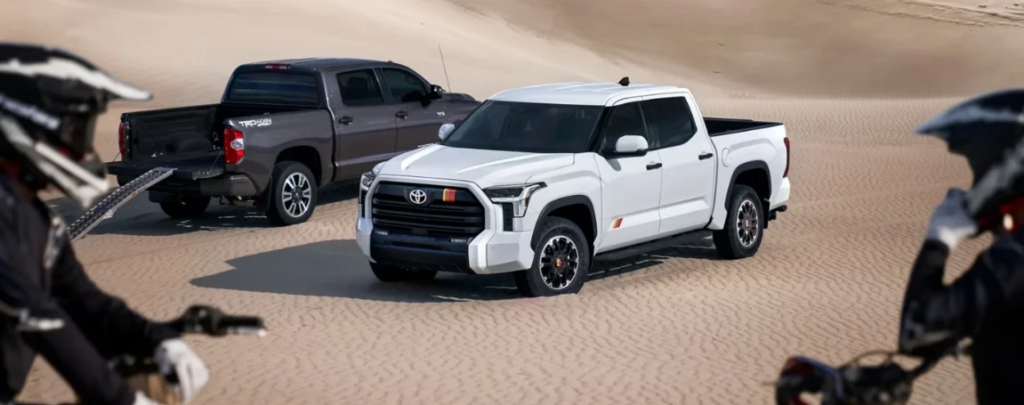
The prevalence of such Toyota Tundra software updates underscores the evolving landscape of vehicle maintenance. What was once a mechanical repair is increasingly becoming a digital one. The ability of manufacturers to remotely diagnose and often fix issues through software is a testament to technological advancement. This also means that for many owners, visiting a dealership for a recall might be a quicker, more streamlined process, often involving a software flash rather than extensive hardware replacement.
For those keeping a close eye on new Toyota Tundra models, this recall serves as a reminder of the importance of manufacturer commitment to safety and quality. While no complex piece of machinery is ever entirely immune to issues, the way a manufacturer handles these challenges is a strong indicator of their brand integrity and dedication to customer satisfaction. Toyota’s established presence in the automotive market and their history of addressing safety concerns with transparency and efficiency lend significant credibility to their actions regarding this 2025 Toyota Tundra recall.
Beyond the immediate concern of the recall, understanding the broader context of vehicle safety recalls is beneficial for all car owners. The fact that a 2024 Toyota Tundra recall is in effect means that this specific model year, along with the upcoming 2025 models, are under scrutiny. This proactive approach helps prevent potential accidents before they occur. It’s also worth noting the various types of recalls that can affect vehicles. While this particular Tundra recall focuses on a software issue within the multimedia system, other recalls might address mechanical components, braking systems, or even airbag malfunctions. Each recall is evaluated by NHTSA for its severity and potential impact on safety.
As an industry expert, I can attest that the automotive world is in a constant state of evolution, driven by innovation and an unwavering focus on driver and passenger well-being. The integration of advanced driver-assistance systems (ADAS) and sophisticated infotainment platforms has transformed the driving experience. Features like the 360-degree camera system, which is at the heart of this Toyota Tundra recall, are now standard or highly sought-after options, enhancing visibility and reducing the chances of low-speed impacts. These systems rely on a network of sensors, cameras, and powerful processors working in harmony. When one component, like the ECU controlling these systems, encounters an issue, the ripple effect can be significant.
The Toyota Tundra safety update being rolled out addresses a specific software anomaly. This type of recall is often less disruptive than those requiring the replacement of physical parts. The process is typically completed during a routine service visit or a dedicated recall appointment at an authorized Toyota dealership. It’s always advisable to schedule this service as soon as possible after receiving notification or upon learning of the recall. Ignoring a recall notice, even for a seemingly minor issue, can have implications for vehicle resale value and, more importantly, for your personal safety.
For those exploring new truck sales in cities like Houston or Los Angeles, understanding these recall procedures is part of the due diligence process when purchasing any vehicle. Reputable dealerships will be transparent about any outstanding recalls and will ensure that the necessary fixes are performed before the vehicle is delivered. In fact, the federal government has regulations in place requiring dealers to remedy unrepaired recalls on new and used vehicles before sale, although specific nuances exist for used car sales.
The market for full-size pickup trucks, particularly models like the Toyota Tundra TRD Rally, remains incredibly competitive. Consumers are looking for a blend of rugged capability, advanced technology, and, crucially, reliability. Recalls, while an unfortunate reality of automotive manufacturing, do not necessarily diminish the overall appeal or long-term value of a model if handled effectively by the manufacturer. Toyota’s swift action in addressing this multimedia display issue demonstrates their commitment to maintaining the trust of their customer base.
Considering the broader impact, this recall also provides an opportunity for owners to engage with their local Toyota service centers. These interactions are not just about fixing the immediate problem; they are also about building a relationship with a trusted service provider. A well-informed technician can provide insights into vehicle maintenance, upcoming service needs, and even explain the advanced features of your truck, ensuring you get the most out of your investment. The Toyota Tundra multimedia recall is, therefore, more than just a notification; it’s an invitation to ensure your vehicle is in optimal working condition.
For truck enthusiasts and potential buyers, staying abreast of Tundra recalls and other relevant automotive news is paramount. Resources like Cars.com, which originally reported on this Toyota Tundra recall, provide invaluable information, offering in-depth reviews, comparison tools, and up-to-date news on safety advisories. This commitment to informing consumers empowers individuals to make well-informed decisions regarding their vehicle purchases and maintenance.
In conclusion, the recent Toyota Tundra recall concerning the multimedia display is a clear example of the automotive industry’s ongoing commitment to safety and continuous improvement. While the prospect of a recall might initially cause concern, the proactive measures taken by Toyota, coupled with the readily available resources for owners, ensure a smooth and effective resolution. The software update for the Parking Assist ECU is a straightforward fix designed to restore critical rearview camera functionality and guarantee a safe driving experience. As owners, staying informed and taking timely action by scheduling the necessary service at your local Toyota dealership is the most crucial step. Don’t let this notification be a source of anxiety; view it as an opportunity to further enhance the safety and performance of your beloved Toyota Tundra. We encourage all affected owners to reach out to their dealership or consult the official Toyota and NHTSA resources to schedule their Tundra software update promptly and ensure peace of mind on every journey.
