
Toyota Tundra Multimedia System Glitch Sparks Recall: What Owners Need to Know for 2025
As a seasoned automotive professional with a decade immersed in the industry, I’ve witnessed my fair share of vehicle recalls. While most are minor inconveniences, some directly impact safety, demanding immediate attention. The latest Toyota Tundra recall, affecting a substantial number of 2024-2025 model year trucks, falls into this latter category, centering on a potentially hazardous issue with the multimedia display. This isn’t just another software update; it’s a critical safety enhancement for one of America’s most trusted pickup trucks.
The core of this Toyota Tundra recall involves a software anomaly within the vehicle’s sophisticated multimedia and parking assist system. Specifically, the display screen, responsible for critical functions like rearview camera feeds, can freeze on a static image or, worse, go completely black. For drivers of any vehicle, a malfunctioning rearview camera presents a significant safety concern. However, for a robust machine like the Toyota Tundra, designed for towing, hauling, and navigating challenging terrain, this issue is amplified. Imagine attempting to back a loaded trailer or maneuver through a tight spot, only to have your visual aid disappear. The potential for an accident, especially with pedestrians or other vehicles in close proximity, is undeniably heightened.
This specific defect underscores the increasing reliance on integrated technology within modern vehicles. While these advancements offer unparalleled convenience and connectivity, they also introduce new vectors for potential problems. The interconnectedness of systems, from infotainment to crucial safety functions like the parking assist module, means a single software glitch can have far-reaching consequences. For manufacturers like Toyota, known for their commitment to reliability and safety, addressing such issues swiftly and transparently is paramount. Their proactive approach in issuing this Toyota Tundra recall demonstrates their dedication to upholding those standards, even when faced with complex technological challenges.
Delving Deeper: The Technical Nuances of the Toyota Tundra Recall
From a technical standpoint, the problem likely resides within the Electronic Control Unit (ECU) that manages the parking assist and multimedia functions. Modern vehicles employ a network of ECUs, each responsible for specific operations. When these units communicate, software dictates their actions. In the case of the affected Toyota Tundra trucks, the software governing the display’s interaction with the rearview camera and other parking sensor data appears to be susceptible to a failure state. This failure state can manifest as a persistent image or a blank screen, effectively disabling the critical visual backup.
The implications of this are particularly stark when considering the Tundra’s capabilities. Its robust towing capacity means drivers often operate with significant weight and length behind them. A clear, uninterrupted rearview feed is not a luxury but a necessity for safe trailer maneuvering. Similarly, urban environments and crowded parking lots, where the Tundra is often utilized, demand precise spatial awareness. The absence of reliable visual cues from the backup camera dramatically increases the risk of minor fender-benders, property damage, and, most concerningly, injuries to people. This is why understanding the specifics of Toyota Tundra safety updates is crucial for all owners.
It’s important to note that this recall is specific to the multimedia display’s functionality as it relates to reversing. While other aspects of the infotainment system might remain operational, the safety-critical elements are the primary focus of this intervention. Toyota’s solution – updating the Parking Assist ECU software – is a standard, albeit effective, method for rectifying such electronic glitches. This type of software patch is designed to recalibrate the ECU’s response, ensuring stable operation of the display, especially during the transition to and from reverse gear. This proactive Toyota Tundra service bulletin aims to prevent potential incidents before they occur.
Beyond the Display: Broader Implications for Automotive Technology
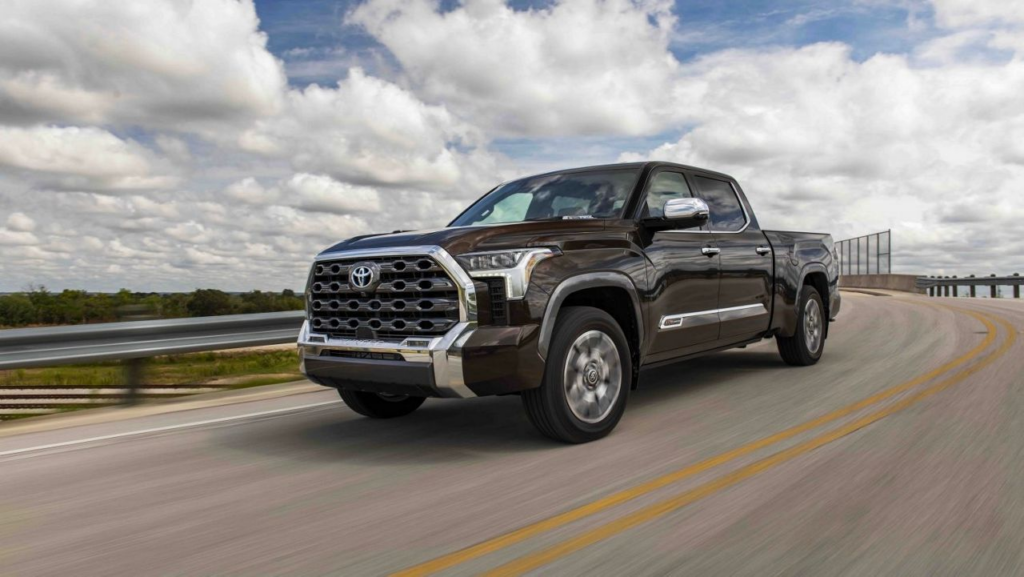
The Toyota Tundra multimedia display recall serves as a timely reminder of the evolving landscape of automotive technology. As vehicles become increasingly sophisticated, the potential for software-related issues grows. This trend is evident across the entire industry, with manufacturers investing heavily in advanced driver-assistance systems (ADAS), complex infotainment interfaces, and over-the-air (OTA) update capabilities. While these technologies promise enhanced safety and convenience, they also necessitate robust testing and rigorous quality control processes.
For consumers, this recall highlights the importance of staying informed about vehicle safety recalls. Websites like the National Highway Traffic Safety Administration (NHTSA) offer invaluable resources, allowing owners to check their vehicle’s VIN for outstanding safety issues. Furthermore, manufacturers often provide dedicated recall sections on their official websites, offering detailed information and guidance. Understanding the Toyota Tundra recall process ensures that owners can get the necessary fixes implemented promptly.
The automotive industry is rapidly embracing digital transformation. Concepts like connected cars, autonomous driving features, and AI-powered assistants are no longer futuristic fantasies but present-day realities. This pervasive digitalization, while exciting, also brings challenges. Ensuring the cybersecurity of vehicle systems, the reliability of complex software algorithms, and the seamless integration of diverse electronic components are critical hurdles. This 2025 Toyota Tundra software update is a testament to the ongoing efforts to manage these complexities.
High-CPC Keywords and Their Relevance:
While the immediate concern is the Toyota Tundra recall, it’s worth noting the broader economic implications and industry trends. Keywords like “automotive software defects,” “vehicle electronics repair cost,” and “new car technology warranty” often carry high CPC (Cost Per Click) in advertising campaigns. This indicates significant advertiser interest in these areas.
For instance, the cost associated with developing and troubleshooting complex automotive software is substantial. This might influence discussions around Toyota Tundra extended warranty options, as consumers seek to protect themselves against potential future electronic issues. Similarly, the expertise required for diagnosing and repairing these advanced systems means that specialized Toyota Tundra repair shops might command higher service fees. Understanding the intricacies of Toyota Tundra infotainment system problems is becoming a specialized skill set.
The ongoing development of advanced driver-assistance systems (ADAS) is another area with high CPC. Features like adaptive cruise control, lane-keeping assist, and automatic emergency braking are increasingly standard, and their proper functioning is paramount. Any glitch in these systems, similar to the Tundra’s rearview camera, can have serious safety implications. This drives interest in keywords such as “ADAS malfunction lawsuit” or “autonomous driving safety concerns.”
For owners of affected 2024 Toyota Tundra models, the recall underscores the importance of timely Toyota Tundra maintenance. While this specific issue is being addressed via a software update, other potential problems could arise, making regular check-ups essential. It also raises questions for those considering purchasing a used Tundra, prompting searches for “used Toyota Tundra recall history” or “certified pre-owned Toyota Tundra inspection.”
Navigating the Recall: What Owners of Affected Toyota Tundra Trucks Need to Do
For owners of the 2024-2025 Toyota Tundra models impacted by this recall, the process is designed to be straightforward and, crucially, free of charge. Toyota will be mailing out official notifications to affected owners by late March. These notifications will provide specific instructions on how to proceed.
The resolution involves a visit to an authorized Toyota dealership. Technicians will update the software for the Parking Assist ECU. This is a relatively minor procedure that should not require significant downtime. However, it is imperative that owners schedule this service appointment as soon as they receive their notification or if they have already experienced the display issue. Proactive measures are always better than reactive ones, especially when safety is involved. This is a vital part of Toyota Tundra owner support.
If you have any immediate concerns or questions beyond what the official notification provides, Toyota offers multiple avenues for assistance. You can contact the automaker directly at their dedicated recall hotline at 800-331-4331. Alternatively, visiting the official Toyota website at Toyota.com/recall will provide comprehensive information and allow you to check your vehicle’s VIN for specific recall status.
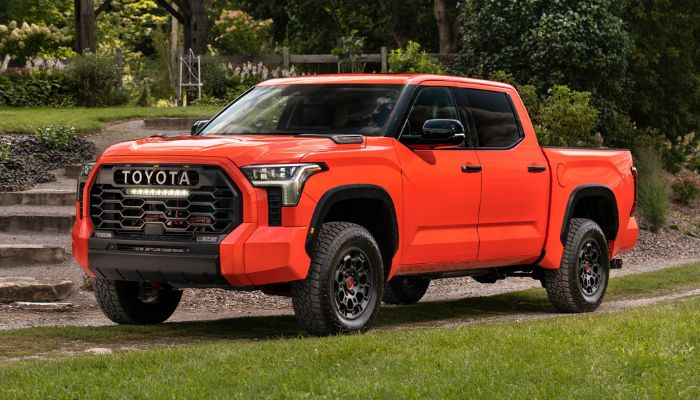
For those who prefer to verify safety recalls through a government agency, the National Highway Traffic Safety Administration (NHTSA) is an excellent resource. You can reach their vehicle-safety hotline at 888-327-4236 or visit their website. NHTSA’s platform allows you to input your Vehicle Identification Number (VIN) to see if your Tundra is subject to any open recalls, including this Toyota Tundra multimedia display issue. This empowers owners to stay informed and take necessary action. This is a key aspect of vehicle safety compliance for all manufacturers.
Looking Ahead: The Future of Automotive Technology and Consumer Trust
This latest Toyota Tundra recall is more than just a news item; it’s a snapshot of the challenges and opportunities within the modern automotive industry. As technology continues to advance at an unprecedented pace, the lines between hardware and software blur, and the importance of robust, secure, and reliable digital systems becomes paramount.
For manufacturers, this necessitates a continued focus on rigorous testing, comprehensive quality assurance, and transparent communication with consumers. Building and maintaining trust in the face of these evolving technological landscapes is a continuous endeavor. Toyota’s swift action on this matter, while addressing a potentially serious safety flaw, also serves to reinforce their commitment to their customers. The focus on Toyota Tundra reliability remains a cornerstone of their brand.
As an industry expert, I can confidently say that the advancements in automotive technology are largely beneficial, offering enhanced safety, efficiency, and convenience. However, it’s crucial for consumers to remain engaged and informed. Understanding recalls, staying up-to-date with software updates, and performing regular maintenance are all vital components of responsible vehicle ownership. The Toyota Tundra safety recall is a prime example of why this vigilance is so important.
Ultimately, the goal for all of us – manufacturers, regulators, and consumers alike – is to ensure that every vehicle on the road is as safe and reliable as possible. This recent Toyota Tundra recall is a step in that direction, addressing a specific technological vulnerability to ensure the continued safety and satisfaction of Tundra owners.
If you own a 2024 or 2025 Toyota Tundra and are concerned about the multimedia display, don’t hesitate. Contact your local Toyota dealer today to schedule your complimentary software update and ensure your vehicle’s safety systems are functioning at their absolute best.