
Volkswagen Addresses Critical High-Voltage Battery Concerns in ID.4 Electric SUVs, Prompting Broad Recall
As the automotive industry continues its rapid electrification, a significant development has emerged concerning Volkswagen’s popular ID.4 electric SUV. Reports confirm that Volkswagen is initiating a widespread recall impacting over 43,800 units of its ID.4 models, specifically encompassing the 2023 through 2025 model years. The core of this recall centers on a potential issue within the high-voltage battery system that, in certain circumstances, could lead to overheating and, critically, pose a fire risk. This situation underscores the complex engineering challenges inherent in mass-producing advanced electric vehicle technology and highlights the paramount importance of ongoing safety vigilance and rigorous quality control in the burgeoning EV market.
The affected Volkswagen ID.4 vehicles are equipped with a sophisticated high-voltage battery designed to power their all-electric drivetrains. However, Volkswagen has identified a specific concern where this battery pack may be susceptible to overheating. While the precise root cause remains under detailed investigation, the potential for thermal runaway within the battery unit is the primary driver behind this precautionary measure. Such an event could not only result in significant damage to the vehicle but, more importantly, present a serious safety hazard to occupants and surrounding individuals. Industry experts consistently emphasize that battery thermal management is one of the most critical, yet complex, aspects of electric vehicle design. Ensuring the stable and safe operation of these high-energy density storage systems under a wide spectrum of operating conditions, from extreme cold to intense heat, is a monumental engineering feat.
Early indicators that an ID.4 might be experiencing this battery anomaly, according to Volkswagen’s advisories, could include a noticeable and unexplained loss of driving range or a discernible degradation in performance. These symptoms, while potentially attributable to various factors in any vehicle, are flagged as specific warning signs within the context of this recall. The proactive communication from Volkswagen to its customers and regulatory bodies like the National Highway Traffic Safety Administration (NHTSA) is a crucial step in managing potential risks associated with advanced automotive technologies. The proactive nature of this recall, before widespread incidents occur, reflects a commitment to consumer safety that is essential for building trust in the electric vehicle sector.
Expert Analysis: Navigating the Nuances of EV Battery Safety
From my perspective, having spent the last decade immersed in the intricacies of automotive technology and electric vehicle development, this Volkswagen ID.4 recall, while concerning, is not entirely unexpected in the current evolutionary stage of EV adoption. The sheer pace at which electric vehicles are being brought to market, coupled with the relentless drive for innovation in battery technology, inevitably leads to situations where complex systems require refinement. High-voltage battery systems are incredibly intricate, involving not just the cells themselves but also sophisticated battery management systems (BMS), thermal control units, and robust safety protocols. Any misstep in the design, manufacturing, or software integration of these components can have significant consequences.
The potential for overheating in high-voltage batteries is a well-documented challenge across the industry. Factors such as internal cell defects, imbalances within the battery pack, suboptimal thermal management, or even issues with the charging infrastructure can contribute to elevated temperatures. The key differentiator between a minor issue and a critical safety concern lies in the system’s ability to detect, mitigate, and safely manage these thermal events. Volkswagen’s identification of potential range loss or performance reduction as warning signs suggests that their battery management system is designed to alert drivers to deviations from normal operating parameters. The challenge for manufacturers lies in tuning these systems to be sensitive enough to detect anomalies without triggering false alarms, a delicate balance that requires extensive real-world testing and sophisticated algorithm development.
Furthermore, the sheer scale of this recall – over 43,800 vehicles – indicates that the issue is likely systemic, potentially stemming from a design element, a manufacturing process, or a software flaw that affected a substantial production run. Addressing such a widespread issue efficiently requires significant logistical planning and robust repair protocols. The automotive industry is increasingly reliant on software updates to address vehicle issues, a trend that is even more pronounced in the electric vehicle space where the BMS plays such a central role.
The Proposed Solution: Software Updates and Component Replacement
To address the identified high-voltage battery concern, Volkswagen is implementing a two-pronged corrective action plan. Authorized Volkswagen dealerships will be tasked with performing a comprehensive service on all affected ID.4 models. The primary step involves updating the high-voltage battery’s software. This software update is designed to enhance the battery management system’s ability to monitor battery health, detect potential overheating conditions more effectively, and potentially implement more precise thermal control strategies. In many instances, a well-executed software recalibration can significantly improve the safety and reliability of complex electronic systems.
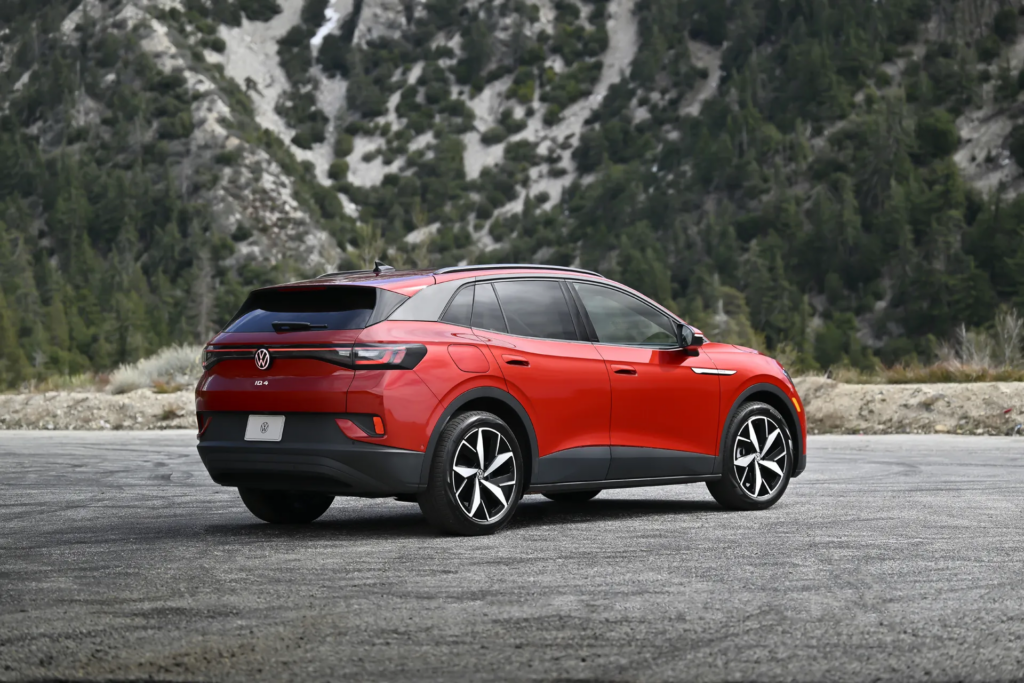
However, recognizing that software alone may not rectify all potential issues, the recall also includes provisions for the replacement of the high-voltage battery itself, should it be deemed necessary by dealership technicians. This replacement will be performed on a case-by-case basis, following a thorough diagnostic evaluation of each vehicle’s battery system. Importantly, all repairs and software updates associated with this recall will be performed at no cost to the vehicle owner. This commitment to covering all expenses is standard practice for manufacturer recalls and is critical for maintaining customer confidence. The logistical undertaking of managing potentially tens of thousands of battery diagnostics and replacements, alongside software updates, is a significant operational challenge that speaks to the scale of Volkswagen’s commitment to resolving this issue.
Owner notification letters are scheduled to be mailed by March 20th, providing affected customers with official confirmation of the recall and detailed instructions on how to schedule their service appointment. For those with immediate questions or concerns, Volkswagen has provided a dedicated hotline at 800-893-5298, with the specific recall number for this campaign being 93EA. Additionally, vehicle owners can contact the National Highway Traffic Safety Administration (NHTSA) via their vehicle-safety hotline at 888-327-4236 or utilize the NHTSA website to check for recall information using their vehicle identification number (VIN). This multi-channel approach to communication ensures that customers have access to the information and resources they need.
Broader Implications for the Electric Vehicle Landscape
This Volkswagen ID.4 recall serves as a pertinent case study for the entire electric vehicle sector. As manufacturers race to capture market share in the rapidly expanding EV segment, the imperative of ensuring robust safety and reliability cannot be overstated. The cost of recalls, both financially and in terms of brand reputation, can be substantial. For consumers, such incidents can foster apprehension about the long-term viability and safety of electric vehicles. Therefore, transparency, proactive communication, and swift, effective resolution are paramount.
The trend towards over-the-air (OTA) software updates, which allows manufacturers to push updates remotely, is a game-changer in managing vehicle issues, especially for EVs. While this recall may necessitate dealer visits for diagnostics and potential battery replacements, the reliance on software for initial fixes and ongoing improvements is a hallmark of modern vehicle engineering. The ability to remotely diagnose and update vehicle systems can significantly reduce the burden on owners and streamline the recall process.
Furthermore, the recall highlights the critical role of independent testing and regulatory oversight. Organizations like NHTSA play a vital role in ensuring that automotive safety standards are met and that manufacturers are held accountable for any defects. The rigorous testing and evaluation processes that electric vehicle batteries undergo are essential, but real-world performance and long-term durability can sometimes reveal issues that are not apparent during initial development.
For consumers considering the purchase of an electric vehicle, understanding the manufacturer’s approach to safety, recalls, and customer support is as important as evaluating performance and price. Brands that demonstrate a strong commitment to addressing issues transparently and effectively will ultimately build greater trust and loyalty. The ongoing evolution of EV technology, while exciting, requires a mature and responsible approach from all stakeholders involved.
The automotive industry is navigating a period of profound transformation, with electrification at its forefront. The Volkswagen ID.4 recall, while a significant event, is part of this larger evolutionary process. It underscores the dedication of manufacturers to refining complex technologies and prioritizing the safety of their customers. As the technology matures and production scales, we can anticipate further advancements in battery management and safety protocols, leading to an even more reliable and secure electric vehicle future for all drivers.
Navigating the electric vehicle landscape requires informed decisions. If you are considering a Volkswagen ID.4 or any other electric vehicle, we encourage you to research specific models, understand the manufacturer’s recall history, and consult with trusted automotive experts. For those who own an affected Volkswagen ID.4, please do not delay in contacting your local dealership to schedule your vehicle for the necessary software update and inspection. Your safety is paramount, and taking proactive steps ensures you can continue to enjoy your electric driving experience with confidence.